Overview
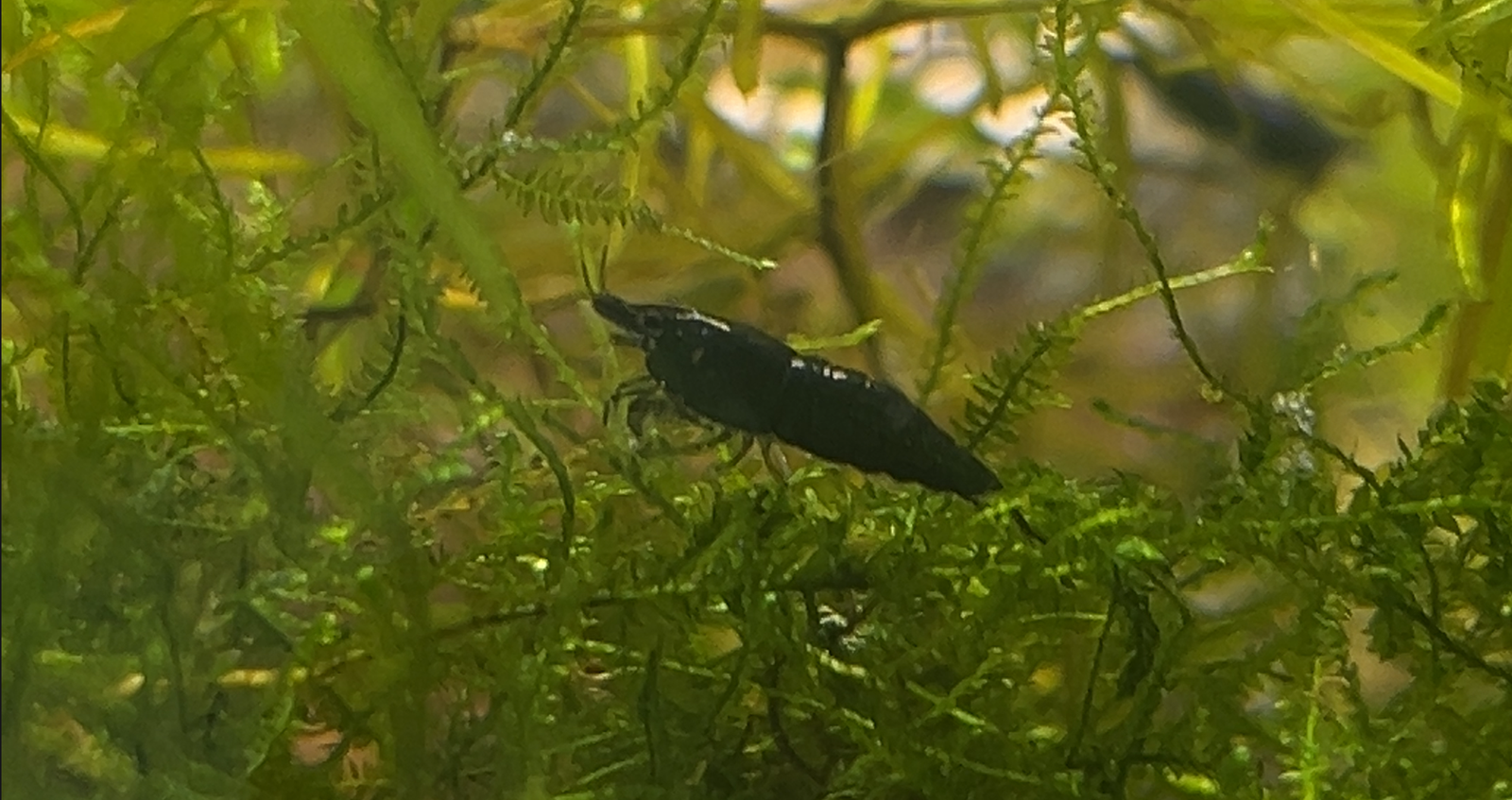
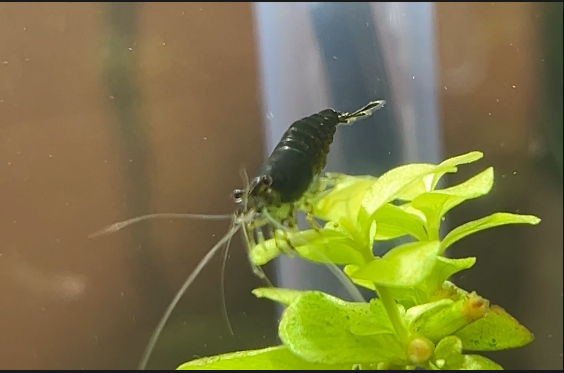
Neocaridina shrimp are small, colorful freshwater invertebrates loved by aquarium hobbyists for their beauty, algae-eating habits, and ease of care. They’re perfect for planted tanks and community aquariums with peaceful tankmates.
Tank Requirements
Tank Size: 5+ gallons is recommended however not necessary for keeping shrimp. The important part is having stable water parameters, however, the larger the water volume the easier it is to maintain stable conditions.
Substrate: Inert gravel or shrimp-friendly soil; darker substrate shows off colors better.
Plants & Decor: Dense plants (Java moss, Anubias, Subwassertang) provide hiding spots and biofilm for grazing.
Filtration: Sponge filter (recommended) or gentle hang-on-back filter with a guard to prevent baby shrimp from being sucked in.
Water Parameters
Temperature: 68–78°F (20–25°C) — stable temps are key.
pH: 6.5–8.0.
GH: 6–8 dGH (moderate hardness).
KH: 2–6 dKH.
TDS: 180–250 ppm.
Water Changes: 10–20% weekly, avoiding sudden parameter shifts. Always dechlorinate tap water.
Feeding
Primary Diet: Biofilm and algae naturally growing in the tank.
Supplemental Foods: High-quality shrimp pellets, blanched vegetables (zucchini, spinach), and occasional protein foods.
Feeding Tip: Feed small amounts 2–3 times a week; remove uneaten food after a few hours to prevent water quality issues.
Tank Mates
Safe Companions: Snails, small peaceful fish like ember tetras or celestial pearl danios.
Avoid: Larger or aggressive fish (bettas, cichlids, barbs) that may prey on shrimp.
Breeding
Colony Style: Leave males and females together — breeding happens naturally in good conditions.
Gestation: Eggs are carried under the female’s tail for ~3–4 weeks before hatching into fully formed baby shrimp.
Baby Care: Dense plants and mosses help fry survive; avoid predators.
Extra Tips for Success
Avoid copper in water or medications — it’s toxic to shrimp.
Keep parameters stable; sudden changes are the #1 shrimp killer.
A mature, established tank with lots of biofilm is better than a freshly set-up tank.